The End of Free Electric Vehicle Tax: What the New VED Rates Mean for EV Drivers
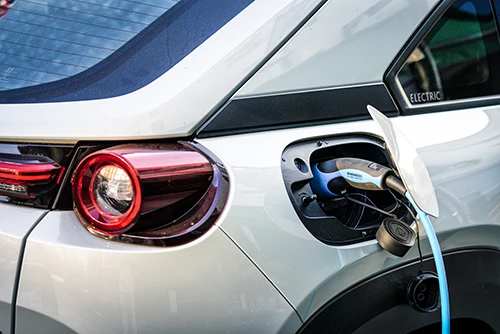
Electric vehicle owners face their first-ever tax bills from April 2025, as the government ends VED exemptions for EVs and low emission cars. New electric cars pay £10 in year one, then £195 annually, while existing EVs jump straight to the standard rate. Hybrid discounts are scrapped entirely, the luxury car supplement now applies to expensive EVs, and London’s congestion charge exemption has also ended. Our guide explains exactly what you’ll pay based on when your vehicle was registered and how these changes reshape the true cost of electric motoring.
The honeymoon period for electric vehicle owners is officially over. From April 1, 2025, electric, zero and low emission vehicles are no longer exempt from Vehicle Excise Duty (VED), marking the end of one of the most generous tax incentives that helped drive the UK’s electric revolution.
These changes affect both new and existing EVs, with the amount you’ll pay depending on your vehicle type and when it was first registered. For many drivers, this represents the first time they’ve ever had to pay vehicle tax on their electric car, and it’s an adjustment that could influence future purchasing decisions.
What You’ll Pay Now
The new rates create a tiered system based on registration dates, with newer EVs facing higher charges than older models.
Electric, zero or low emission cars registered on or after April 1, 2025, will pay a modest first-year rate of £10, essentially a token amount. However, from the second tax payment onwards, they’ll face the full standard rate of £195 annually, bringing them in line with conventional petrol and diesel vehicles.
Existing electric cars registered between April 1, 2017, and March 31, 2025, jump straight to the £195 standard rate. These vehicles, which previously enjoyed complete tax exemption, now face an annual bill that many owners may not have budgeted for.
Older electric vehicles registered between March 1, 2001, and March 31, 2017, benefit from a lower £20 annual rate, a recognition of their earlier adoption status and typically lower market values.
Hybrids Lose Their Discount Too
The changes don’t stop with pure electric vehicles. The £10 annual discount that hybrid and alternatively fuelled vehicles (AFVs) previously enjoyed has been completely removed.
For hybrids registered before April 2017, the tax rate now depends entirely on CO2 emissions using the standard rate bands. Those registered from April 2017 onwards face the full £195 standard rate, eliminating any financial advantage over conventional cars.
Commercial Vehicles and Motorcycles Affected
Electric vans haven’t escaped the changes either. Most now pay the standard annual rate for light goods vehicles, removing another incentive that made commercial electric vehicles more attractive to businesses.
Electric motorcycles and tricycles have also lost their exemption, moving to the annual rate applied to the smallest engine size category. While this remains relatively modest, it represents the end of completely free motoring for electric two and three-wheelers.
The Luxury Car Penalty Still Applies
Perhaps most significantly for premium EV buyers, the expensive car supplement, the additional £390 annual charge applied to vehicles with a list price exceeding £40,000, now applies to electric vehicles too.
New electric and zero emission cars registered from April 1, 2025, with a list price above £40,000 will pay both the standard rate and this supplement for the first five years from the start of their second licence. This means owners of premium EVs could face annual tax bills of £585, making expensive electric cars considerably more costly to run.
Congestion Charges Join the Party
The financial burden doesn’t end with vehicle tax. Electric vehicle owners in London also lost their congestion charge exemption in December 2025, adding another £15 per day for driving in central London. Combined with the new VED rates, city-based EV drivers face a double hit to their running costs that fundamentally changes the economics of urban electric motoring.
Why the Change Now?
These reforms reflect the government’s need to replace lost fuel duty revenue as more drivers switch to electric vehicles. With EVs representing a growing share of new car sales, the previous exemptions were becoming increasingly expensive for the Treasury to maintain.
The changes also signal that electric vehicles are moving from niche, incentive-supported products to mainstream alternatives that can compete without preferential tax treatment. While this may disappoint early adopters who expected long-term exemptions, it demonstrates how successfully government policy has encouraged EV adoption.
Impact on Future Purchases
For prospective EV buyers, these changes alter the financial equation significantly. The total cost of ownership advantage that electric vehicles enjoyed is now smaller, though savings on fuel and maintenance still make them financially attractive for many drivers, particularly those who don’t regularly drive in congestion charge zones.
Current EV owners face an unwelcome new annual expense, but the environmental benefits, lower running costs in most scenarios, and increasingly superior driving experience of electric vehicles remain compelling reasons to stick with zero-emission motoring.
The transition period is over. Electric vehicles are now part of the mainstream UK vehicle tax system, without the urban driving privileges they once enjoyed. While this marks the end of an era of generous incentives, it also reflects just how successful those incentives were in establishing electric cars as a permanent part of Britain’s automotive landscape.
Read more...


Car Tax Checker
Find out how much it costs to tax your car using our free car checker. Enter your car reg to find out its tax and mot status + car history for free.
How to Check How Many Owners A Car Has Had
When it comes to buying a second-hand car, it's important to check the history of the vehicle to make sure there are no red flags.