So, what factors are considered when determining CAZ locations?
Tracing the driver of another vehicle doesn’t have to be complex with our helpful tips and advice. We run through how you can quickly check whether a car is insured and how to find the driver’s insurance details. From dealing with the DVLA to what you should do in an accident to last-ditch claim options, Motorscan has you covered!
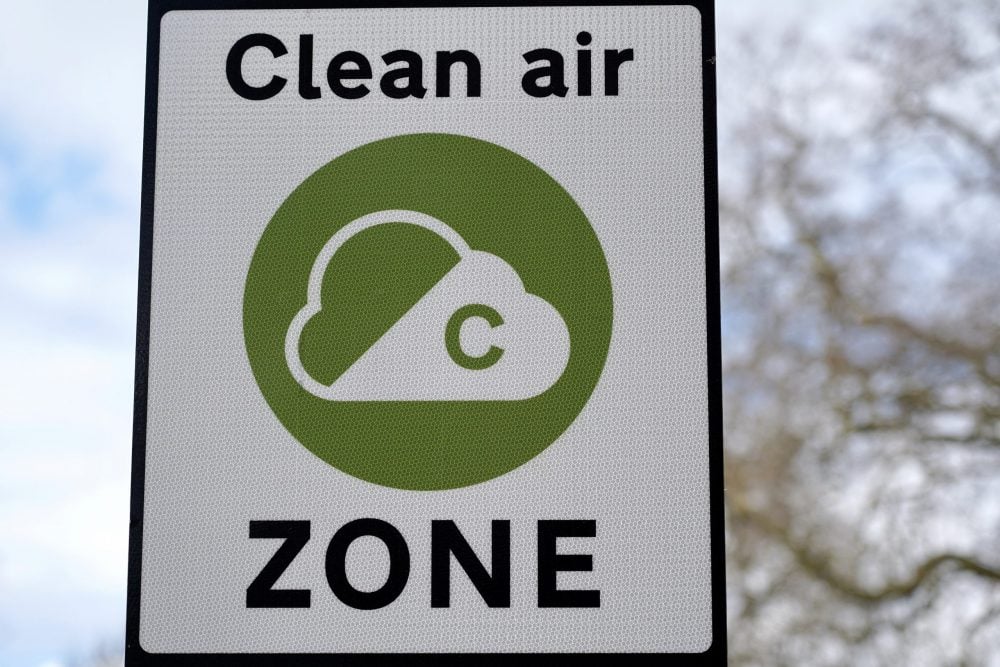
There are several factors taken into account when determining clean air zone locations, which will also depend upon each local authority's specific objectives and circumstances. However, the most common considerations are:
- Air quality data: Identifying areas with high levels of pollutants, including particulate matter (PM) and nitrogen dioxide (NO2).
- Population density: Areas with high population density, where more people are exposed to air pollution, are often prioritised.
- Traffic congestion: Those locations with high traffic congestion and significant emission exposure, such as industrial areas, major roads and traffic hotspots, are typically considered.
- Public transport infrastructure: Existing transport infrastructure is usually considered when determining clean air zone locations to assess the feasibility of people switching to public transport.
- Legal requirement: If a Government directive is issued to meet legal limits for nitrogen dioxide on local roads.