What are the different types of Clean Air Zones implemented?
Tracing the driver of another vehicle doesn’t have to be complex with our helpful tips and advice. We run through how you can quickly check whether a car is insured and how to find the driver’s insurance details. From dealing with the DVLA to what you should do in an accident to last-ditch claim options, Motorscan has you covered!
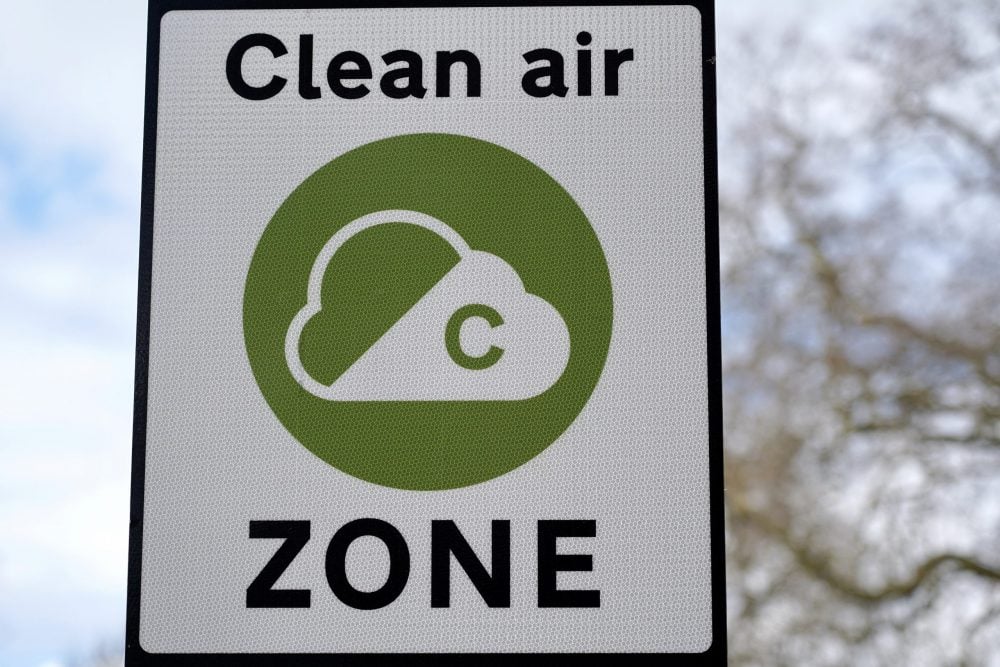
Here in the UK, we have several types or classes of clean air zones that have been implemented or planned to be implemented, with each specific classification and requirement varying between the different cities and regions. These classes broadly fall between charging zones and non-charging zones. A non-charging CAZ focuses on improving air quality without charging money for vehicles entering the zone, instead implementing measures such as traffic-flow management to reduce vehicle emissions, rerouting traffic, and retrofitting certain vehicles with pollution controls, as well as other local solutions. On the other hand, a charging zone is what the term suggests. The four classes of clean air zones in the UK are:
- Class A: Buses, coaches, taxis, private hire vehicles
- Class B: Buses, coaches, taxis, private hire vehicles, heavy goods vehicles
- Class C: Buses, coaches, taxis, private hire vehicles, heavy goods vehicles, vans, minibuses
- Class D: Buses, coaches, taxis, private hire vehicles, heavy goods vehicles, vans, minibuses, and cars; the individual local authority has the option to include motorcycles
Generally, if you drive within a Class D clean air zone, all vehicles are chargeable if not compliant with emission standards. However, if you enter a Class A, B or C CAZ, personal cars are not charged regardless of emissions.