Speed Limits: Know the Rules of the Road
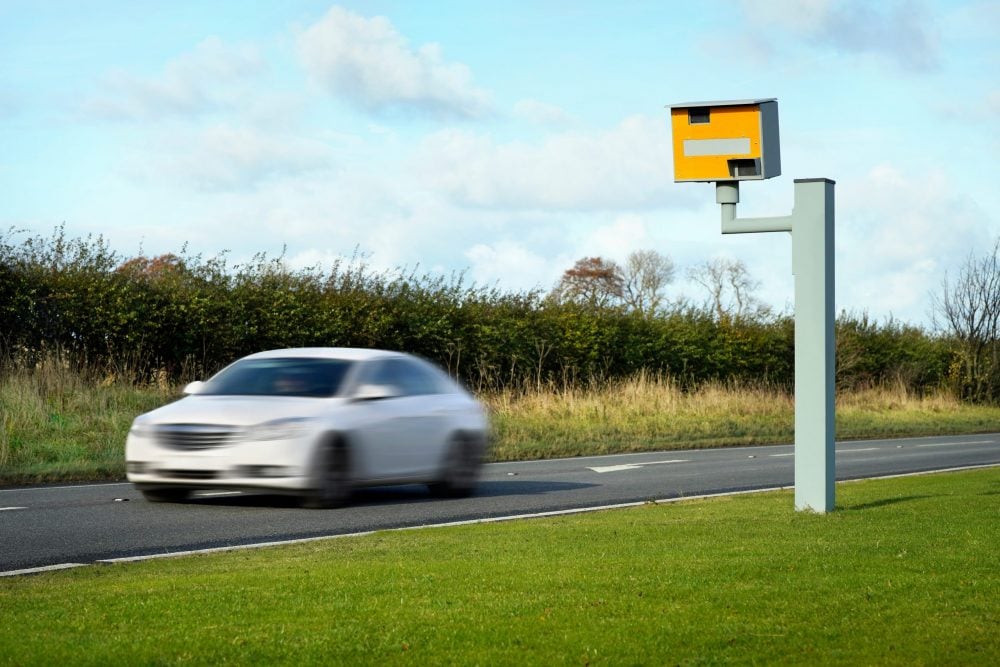
At Motorscan, we know that the thrill of driving can occasionally tempt drivers to push beyond speed limits, so it makes sense for drivers to be well-versed in the rules, fines, and consequences if they're caught speeding. Join us as we explore the complexities of speeding fines and navigate the penalties for exceeding legal limits. We'll also unwrap the essential information, including grounds for appeal and the all-important vital process!
In the UK, speed limits are set for different types of roads to ensure safety and efficient traffic flow. The standard speed limits are as follows:
- Built-up Areas (urban roads): The default speed limit in built-up areas is 30 miles per hour (mph) to prioritise pedestrian and cyclist safety. This includes residential streets and roads with frequent intersections. In some residential areas, this can be lower at 20 mph.
- Single Carriageways: On single-carriageway roads (one lane in each direction), the speed limit is 60 mph unless otherwise indicated.
- Dual Carriageways: They have two or more lanes for traffic in each direction, with a central reservation, and the speed limit on dual carriageways is 70 mph, provided there are no specific lower limits posted.
- Motorways: The standard speed limit on motorways in the UK is 70 mph. Motorways are high-speed roads with multiple lanes designed for fast and efficient long-distance travel. Variable speed limits may be in place during certain conditions, such as congestion or adverse weather.
- Variable Speed Limits: Some motorways and major roads are equipped with electronic variable speed limits. These limits may change in response to traffic conditions, and drivers must always adhere to the displayed limit.