Undisclosed Vehicle Damage: Your Rights Against Dishonest Car Dealers

Bought a car only to discover hidden damage the dealer never mentioned? You might have more rights than you think. From legal obligations to refund timeframes and how to take action, we break down exactly what you can do if your “perfect” car turns out to be a costly surprise. Don’t get taken for a ride – read the complete guide!
You’ve just driven off the lot in what felt like your dream car until a strange noise, a misaligned panel, or a suspicious history report sends your stomach into a tailspin. Suddenly, that “perfect condition” vehicle doesn’t seem so perfect after all. Whether it’s hidden accident damage, structural issues, or a shoddy repair job, undisclosed issues and faults can turn an exciting purchase into a financial nightmare. So, what happens when the dealer conveniently “forgets” to mention the damage and what can you do about it? At Motorscan, we’ve taken a deep dive into your legal rights, the dealer’s obligations, and the practical steps you can take to get back in the driver’s seat.
Car Dealers: Legal Responsibilities Explained
Car dealers include any trader selling vehicles as part of their business, whether online or from a physical forecourt. They are legally bound by the Consumer Rights Act 2015, which requires all vehicles sold to be as described, fit for purpose and of satisfactory quality. If a dealer knowingly sells a car with hidden damage or fails to disclose known faults, this may constitute misrepresentation, which gives the buyer the right to pursue a refund, repair, or replacement. It’s important to remember that these protections apply only to trade sales, not private or auction sales, where consumer rights are more limited.
What Counts as Undisclosed Damage?
This term refers to any significant faults or defects in a vehicle that the dealer fails to reveal before the sale. This might include major mechanical or structural damage that could compromise the car’s safety and performance, such as hidden frame issues or engine problems. It may also cover poor-quality or unrecorded crash repairs that affect the vehicle’s reliability and value. Essentially, undisclosed damage is any issue that materially impacts the car’s safety, worth, or expected condition and must be disclosed. Common examples of undisclosed damage include:
- Structural damage (e.g., frame or chassis issues)
- Significant mechanical faults (e.g., engine or transmission problems)
- Poor-quality or unreported crash repairs
- Water or fire damage
- Paintwork repairs or resprays that are not disclosed
- Faults affecting safety features (e.g., airbags, brakes)
What to Do If You Discover Damage After Purchase
If you find undisclosed damage after buying a car from a car dealer, the first step is to gather clear evidence – take detailed photos, obtain repair quotes, and consider getting an independent inspection report to support your claim. Next, contact the dealer in writing, clearly outlining the issue and your concerns, and request a resolution. Depending on the situation, you can ask for a repair, a replacement vehicle, or a partial refund to cover the cost of fixing the problem. Acting promptly and documenting all communication will strengthen your position if the dispute escalates.
If your vehicle comes with a warranty, review its terms carefully, as some repairs may be covered. In this case, contact the warranty provider and the dealer to ensure the issue is addressed promptly and at no extra cost to you. Even with a warranty, maintaining thorough records and following up quickly is essential to protect your rights.
Time Limits for Action
When you buy a car from a dealer, you are protected by the Consumer Rights Act 2015, which gives you an automatic right to reject a vehicle and receive a full refund within 30 days of purchase if it’s faulty, not as described, or unfit for purpose. This is your main window to return the car without needing to prove fault.
Between 31 days and 6 months, you can still request a repair or replacement, with the burden shifting to the dealer to prove that the fault was not present at the time of sale. After 6 months, it becomes the buyer’s responsibility to demonstrate that the issue existed when the car was purchased, which effectively makes it much harder to successfully claim a refund or repair under your statutory rights.
If you purchased online or at a distance (such as from a website or over the phone), the Consumer Contracts Regulations 2013 give you an additional 14-day “cooling-off” period starting when you receive the car. During this time, you can cancel the purchase for any reason and get a full refund. This cooling-off right is separate from the 30-day fault rejection period mentioned above, and may not apply to all cars, especially if they’ve been custom-made. After this 14-day window closes, your rights under the Consumer Rights Act 2015 take effect.
Dispute Resolution Options
In most cases, reputable dealerships will happily resolve any issues brought to their attention within a reasonable timeframe. However, if you find yourself being ignored, fobbed off, or met with denial, and the dealer refuses to address the problem, you can escalate the dispute.
Your first step should be to contact Citizens Advice or Trading Standards for guidance and to report any potential breaches. You can submit a formal complaint for an independent review if the dealership is signed up to an Alternative Dispute Resolution (ADR) scheme, such as the Motor Ombudsman. These services are often free and aim to resolve matters without going to court. If all else fails, you may want to consider taking the case to the small claims court, though this should always be treated as a last resort due to the time and costs involved.
Tips for Avoiding Undisclosed Damages
There are a few proactive steps you can take that can make all the difference:
- Consider a vehicle inspection if budget allows – it can help reveal hidden damage or poor-quality repairs and could be worth the investment.
- Ask direct questions about any accident history, structural damage, or significant repairs.
- Watch for vague or evasive answers, they might be a red flag.
- Get all condition statements in writing, including any verbal promises.
- Keep a paper trail, including emails, receipts, and advert screenshots, in case issues arise later.
- Run the car’s registration through Motorscan’s comprehensive car history check service, which will flag up if the car has previously been an insurance write-off or appeared at a salvage auction.
Read more...
Types of available car finance
Car finance is a process that allows you to spread the cost of a new or used car. We breakdown the common ways to finance your next car.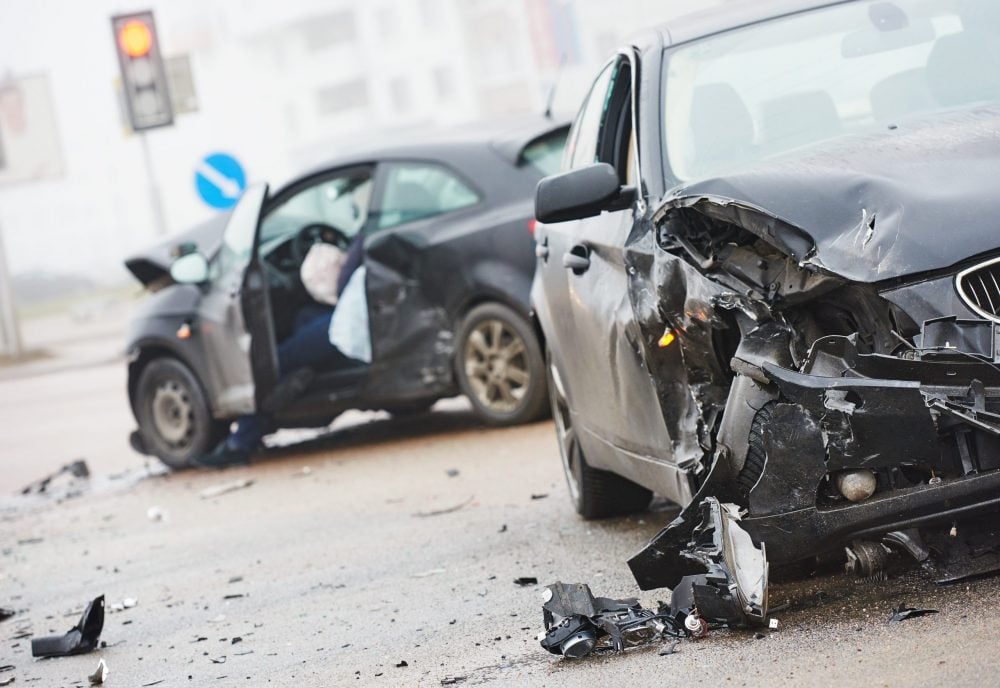
What is an car insurance write-off? Guide to CAT A, B, C, D, N
The concept of "insurance write-offs" can baffle the most seasoned drivers, and grasping the implications of Categories A, B, S, and N is essential. Here Motorscan guides you through vehicle write-offs, decoding category assignments and explaining the pivotal role of the DVLA. Dive into crucial insights on legal requirements, safety checks, and verifying a vehicle's write-off category to navigate car ownership confidently!