What Are Mileage Blockers And Are They Legal?

Mileage tampering continues to be a pressing issue, clouding the transparency surrounding used vehicle transactions. At the heart of this challenge are mileage blockers, sparking controversy and legal scrutiny. Motorscan has been exploring these mysterious electronic devices to unravel what they are and how they operate, providing invaluable tips to spot warning signs!
In the fast-paced world of the automotive industry, the topic of mileage manipulation is a burning concern, casting shadows over the process of purchasing second hand vehicles. At the heart of this issue lie mileage blockers, devices that have sparked controversy. So, Motorscan has taken on the task of delving into the world of mileage blockers, aiming to shed light on what they are, how they operate, and the legal implications surrounding their use. Our goal is to equip you with a comprehensive understanding of these devices, enabling you to make better decisions and avoid the pitfalls associated with purchasing clocked cars.
What are mileage blockers?
Mileage blockers, also known as odometer blockers, filters or mileage correction devices, are electronic gadgets designed to alter or freeze the displayed mileage on a vehicle’s odometer. These devices are typically installed within the vehicle’s wiring system between the speed sensor and the electronic control unit (ECU), interrupting the signal transmission and causing the odometer to inaccurately display the vehicle’s mileage. The primary purpose of mileage blockers is usually to deceive potential buyers about a car’s actual mileage, often in an attempt to inflate its value or conceal wear and tear.
How do mileage blockers or filters work?
In a vehicle in motion without a mileage blocker fitted, the speed sensor continuously sends signals to the ECU to calculate the distance travelled and update the odometer reading accordingly. However, a mileage blocker disrupts this signal, causing the ECU to receive incorrect information about the vehicle’s speed and distance travelled. As a result, the odometer displays inaccurate mileage or freezes at a certain reading, making it seem like the car has travelled fewer miles than it has. Ultimately, mileage blockers manipulate the electronic communication between the speed sensor and the ECU, deceiving the vehicle’s odometer system into displaying false mileage information.
Are mileage blockers illegal?
The UK government considers mileage correction devices or mileage blockers a form of fraud, specifically odometer fraud, which is a criminal offence. Using such devices to alter or tamper with a vehicle’s odometer reading to mislead buyers is punishable by law. Penalties for odometer fraud can include fines, imprisonment, or both. It’s imperative for both vehicle owners and those looking to buy a second hand car to be aware of the legal implications and risks associated with mileage blockers to avoid violating the law and evade potential legal repercussions.
How to avoid buying a clocked car
When you’re in the market for a used car, it’s essential to take proactive steps to avoid purchasing a clocked vehicle. Here are Motorscan’s top tips:
- Obtain a Motorscan car history report to see the vehicle’s mileage and MOT history to help evaluate the vehicle’s genuine mileage and to check for any anomalies and inconsistencies.
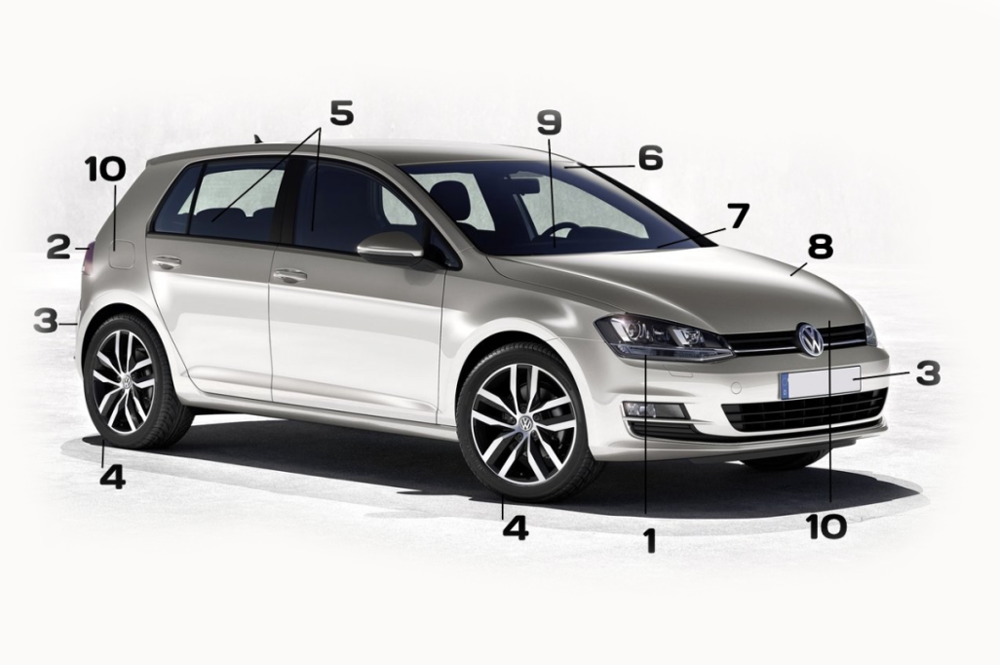
- Inspect the car’s interior, including seat bolsters, trims, gear knob and steering wheel, for signs of wear and tear that don’t match the indicated mileage.
- Examine the exterior for paint and stone chips on the front hood, grille, or bumper, which may indicate excessive motorway use inconsistent with the mileage.
- Review the vehicle’s service history to ensure regular maintenance and mileage records align with the indicated mileage being displayed.
Read more...

What is an car insurance write-off? Guide to CAT A, B, C, D, N
The concept of "insurance write-offs" can baffle the most seasoned drivers, and grasping the implications of Categories A, B, S, and N is essential. Here Motorscan guides you through vehicle write-offs, decoding category assignments and explaining the pivotal role of the DVLA. Dive into crucial insights on legal requirements, safety checks, and verifying a vehicle's write-off category to navigate car ownership confidently!
Types of available car finance
Car finance is a process that allows you to spread the cost of a new or used car. We breakdown the common ways to finance your next car.